
How To Set Up an NGINX Reverse Proxy for Node.js, Python & Go Apps
There is a significant difference between an application that runs on localhost:3000 and one that is…

There is a significant difference between an application that runs on localhost:3000 and one that is…

Exposing public ports on your server is a bit like leaving your front door wide open….

Laravel currently powers over 1.5 million websites globally, and the ecosystem is growing faster than ever….

Plesk remains a capable server management platform, but its pricing, architecture, and feature set will not…

AI crawlers can consume bandwidth, increase server load, and collect your content without sending visitors back…

Automation platforms often look inexpensive until your workflows start running at scale. A process that captures…

Modern microservice architectures consist of many independently deployable services, which brings new security challenges. One crucial…

If you have tested your WordPress site with PageSpeed Insights, you have probably seen the warning:…
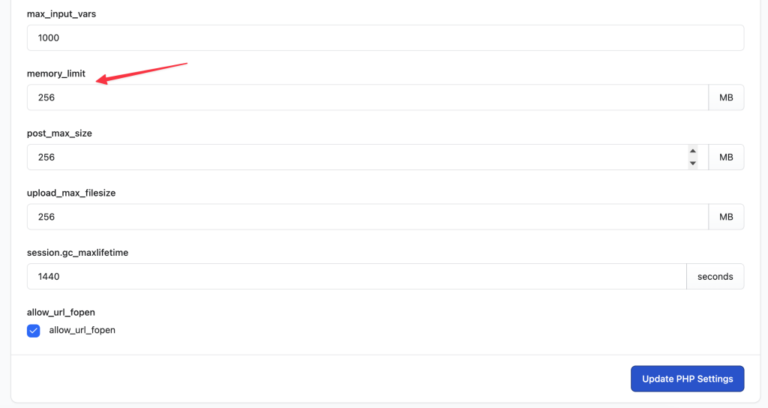
You’ve optimized your website’s frontend for visitors, and it passes all core web vitals checks, but…
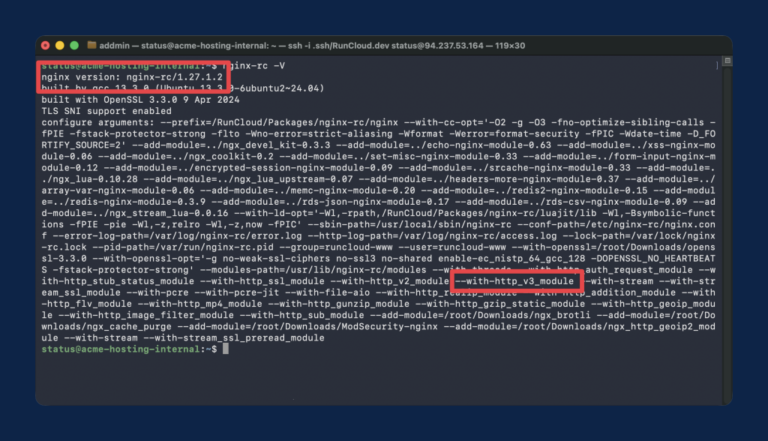
If you’re running NGINX on a modern server, you’re likely leaving performance on the table by…
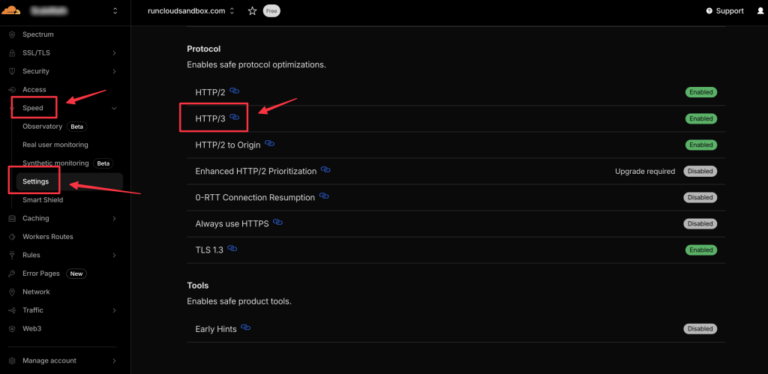
Most modern websites use the HTTP/2 protocol, which uses multiplexing to send multiple files over a…
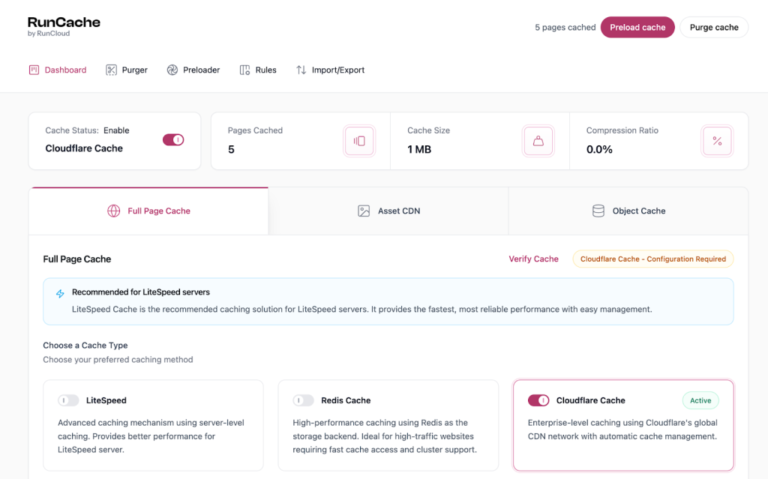
Is your WordPress website loading quickly for local users, but frustratingly slow for visitors on the…

Almost as soon as you deploy a server on the internet, it is under attack. Within…
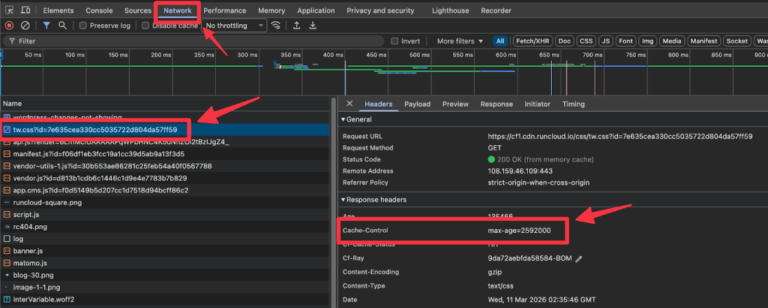
Is your WordPress site failing performance audits like Google PageSpeed Insights or GTmetrix? One of the…
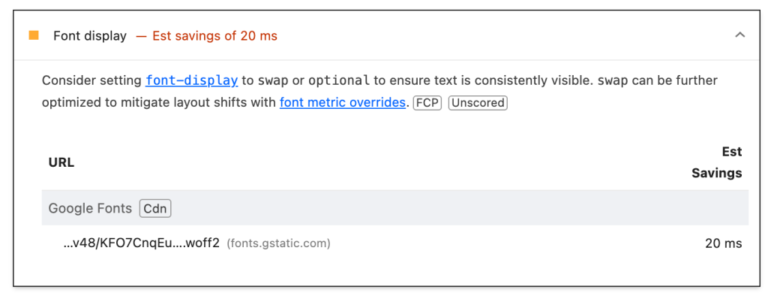
Is your WordPress site failing Core Web Vitals checks despite having optimized images and minified code?…